Soft Wash vs Pressure Wash: Which Is Right for Your Home?
Choosing between soft washing and pressure washing comes down to the surface, its condition and what needs removing. For homes across Brisbane’s southern suburbs, humidity, summer rainfall and shaded areas can encourage algae, mould and slippery growth. Soft washing generally suits delicate exterior surfaces, while pressure washing suits sound, durable surfaces such as concrete. Many properties benefit from a combination of both.
What Is the Difference?
Soft washing
Soft washing uses low-pressure water and a cleaning solution to loosen grime and treat organic growth. The solution does much https://pressurecleaningbrisbanesouthside.com.au/contact/ of the cleaning, rather than the force of the water. Products, dilution rates, application methods and rinsing requirements must suit the surface and follow the product label.
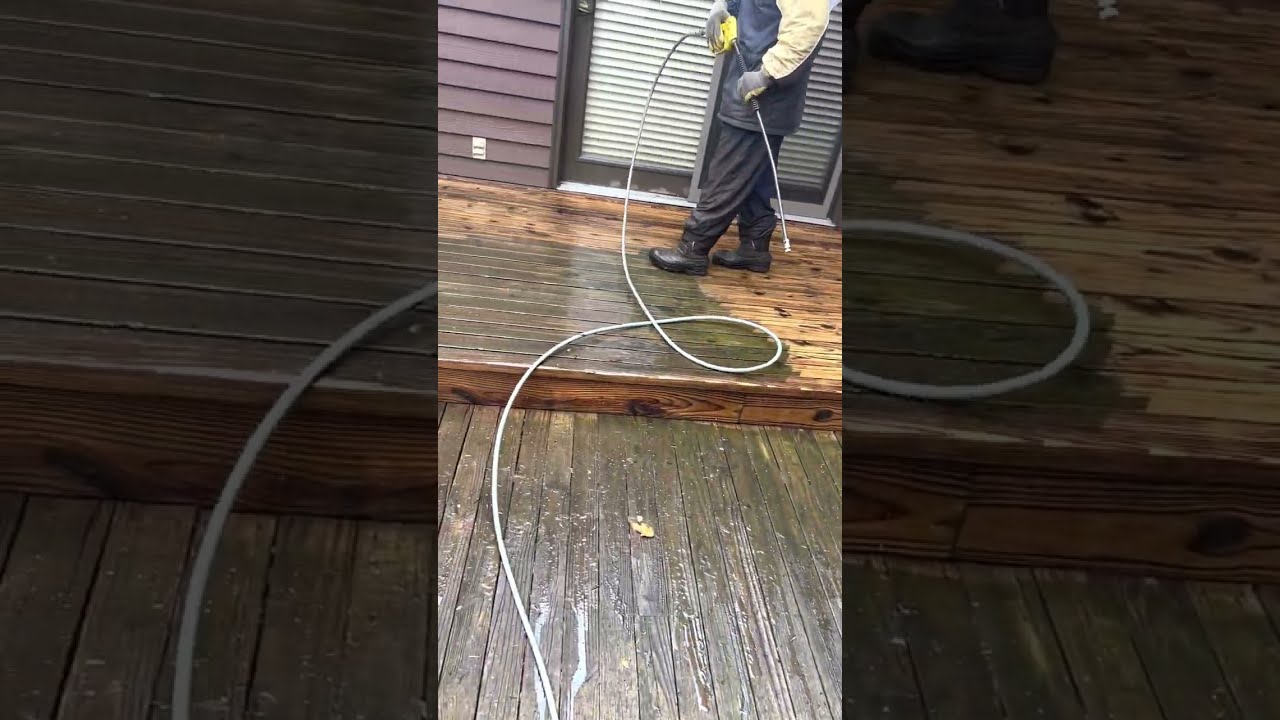
This approach is often appropriate for painted weatherboards, rendered walls and some cladding. However, low pressure does not automatically mean risk-free: unsuitable chemicals can damage coatings, corrode metals or harm plants.
Pressure washing
Pressure washing uses a stronger water stream to remove dirt and surface build-up. It is commonly used on concrete driveways, paths and suitable paving. Equipment pressure, nozzle selection, distance and technique all affect the result.
More pressure is not necessarily better. Excessive force can etch concrete, strip paint, dislodge mortar and push water behind cladding or through window seals.
Which Method Suits Each Surface?
- Painted walls, weatherboards and render: Soft washing is often preferable, provided the coating is sound and the cleaning product is compatible.
- Concrete driveways and paths: Controlled pressure washing usually works well. Oil stains may also need a suitable degreaser and targeted treatment.
- Brickwork and paving: Assess mortar, joints, sealers and surface condition first. Aggressive cleaning can remove jointing sand or damage deteriorated mortar.
- Timber decks: Use a timber-appropriate cleaner and carefully controlled pressure. Strong jets can raise fibres and gouge boards.
- Roofs: Follow the roofing manufacturer’s guidance and obtain a professional assessment. Roof cleaning involves fall hazards, coating compatibility and potential water-entry risks.
Never pressure wash suspected asbestos-containing material. Older homes may have asbestos cement roofing or wall sheeting. Stop work and arrange identification and specialist advice before cleaning.

What Brisbane’s Southern Suburbs Homeowners Should Consider
In suburbs such as Sunnybank, Mount Gravatt, Calamvale and Parkinson, shaded walls and sheltered paths can stay damp longer after rain. Green or dark staining may indicate biological growth, although not every dark mark is mould. Identifying the cause helps avoid unnecessarily harsh treatment.
Address the conditions that encourage recurring growth, too. Clear blocked gutters, fix leaks and trim vegetation where appropriate to improve airflow. Cleaning removes contamination, but it does not solve ongoing moisture problems.
Protect plants, pets and stormwater
Before work starts, discuss protection for garden beds, outdoor furniture, electrical fittings and nearby vehicles. Keep children and pets away during application and until the product’s re-entry conditions are met.
Cleaning chemicals and contaminated wash water should not enter stormwater drains. Ask how the contractor will contain, collect or otherwise lawfully manage runoff, particularly on driveways sloping towards the street. Check current Brisbane City Council guidance and any applicable water restrictions before starting.
Questions to Ask Before Booking
- Which method suits each surface, and will you check for loose paint, damaged joints or failing seals?
- Will you follow manufacturer instructions and test an inconspicuous area first?
- How will you protect plants, prevent water entry and manage runoff?
- Does the quote include stain treatment, access requirements and any exclusions?
The Best Choice for Your Home
Choose the least aggressive method that achieves the required result. Soft washing often suits house exteriors affected by organic growth; pressure washing is commonly better for robust hard surfaces with embedded dirt. A careful inspection is more valuable than a one-method-fits-all package. For a Brisbane southside home, ask for a surface-by-surface cleaning plan that protects finishes while addressing slippery areas and visible build-up.
Brisbane Southside Pressure Cleaning
(07) 3179 6111